
Peptide microneedle patch technical guide
Peptide Microneedle Patch Packaging Design Guide
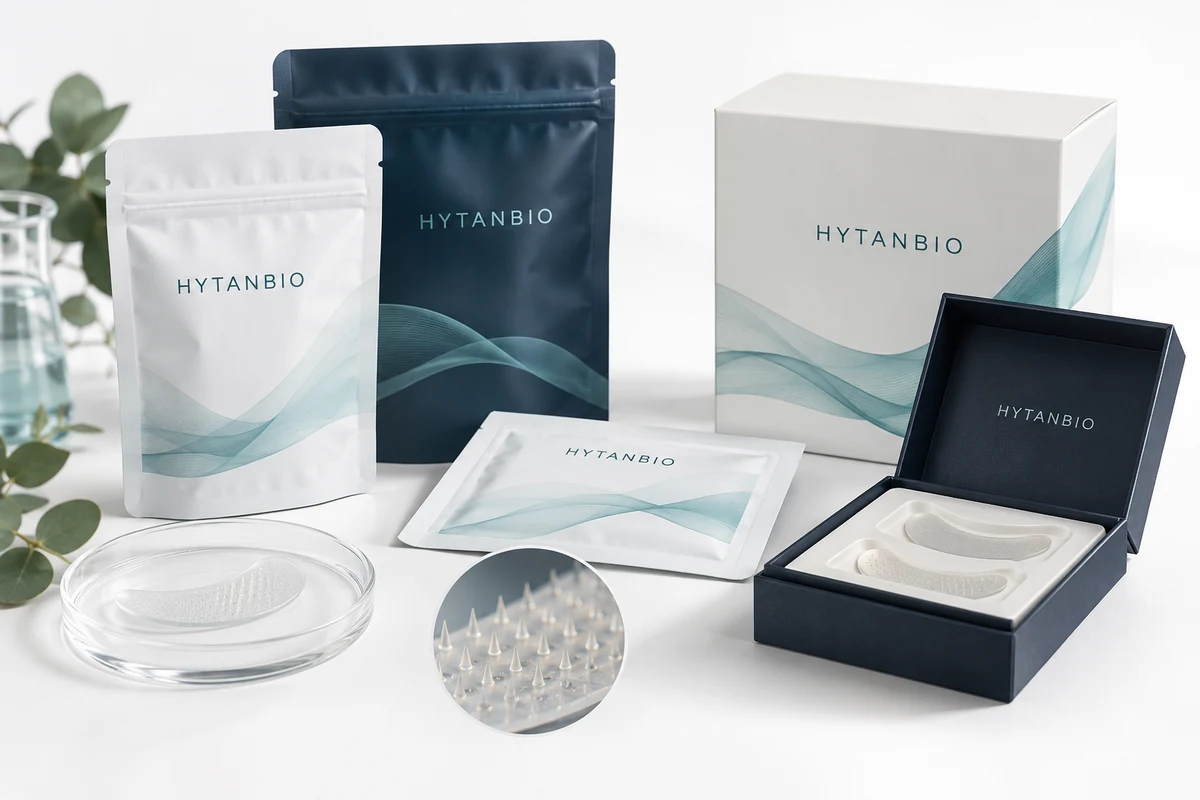
Primary packaging comes first
The array can be sensitive to humidity and physical contact. A foil sachet or qualified barrier structure, often combined with a protective tray, is a common starting point. The seal, headspace and opening method should be tested with the final product.
Mainstream packaging structures
Options include single-dose sachets, blister plus paper sleeve, multi-sachet folding cartons, counter display boxes, resealable pouches, drawer boxes, magnetic gift kits, subscription mailers and compact trial cards. The correct choice depends on count, channel, price point and protection needs.
Private-label customization
Brands can customize dielines, board, film finish, color, foil stamping, embossing, insert, instruction leaflet, barcode and language. Cosmetic label review should occur before mass printing.
Packaging validation
Run seal integrity, transport, drop, compression, temperature and humidity studies as appropriate. Confirm that printed materials, adhesives and trays do not damage or contaminate the patch.
Frequently asked questions
Can patches be packed loose in one zipper pouch?
This may not provide enough individual moisture or compression protection. The final stability and handling study should decide.
What is best for a low-MOQ launch?
A digitally printed folding carton with standardized tray and individually printed or labeled sachets can reduce tooling, but actual MOQ depends on suppliers and specification.
Turn the research into a manufacturable brief
Share your target market, peptide concept, patch geometry, packaging direction and estimated quantity. We will map the project to sampling, pilot and scale-up stages.