
Development and manufacturing capability
Activity-Aware Peptide Microneedle R&D
A useful supplier qualification goes beyond a factory photo. It connects raw-material control, formula compatibility, microneedle precision, drying, packaging and finished-product evidence.



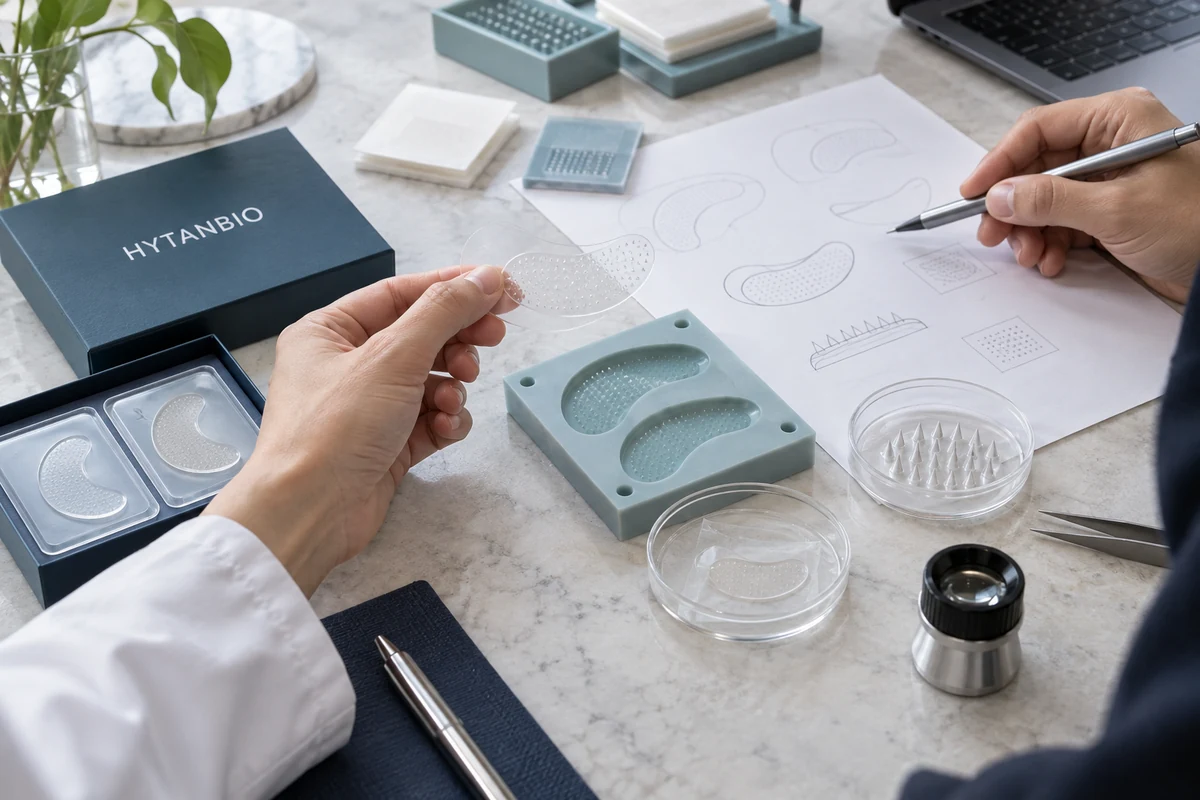


AI-generated product & process concepts. Final specifications are project-dependent.
HYTANBIO · Changzhou base
Two forming platforms and an integrated evaluation scope
The Changzhou-base portfolio describes two manufacturing platforms: controlled forming of HA and other water-soluble matrices, and molding of solid PLA microneedle structures. The dissolving route connects formulation design with array formation; the PLA route covers sheets, delivery tools and component geometries. Characterization topics span morphology and defects, mechanical reliability, biocompatibility, permeation, dissolution, composition, loading and stability. Eight illustrated evaluation modes are listed below so buyers can define the work their own project needs. Equipment images and example test illustrations describe the evaluation scope, not batch results or proof that every assay is included in a quotation. Agree the protocol, sample stage, method, acceptance criteria and report ownership before sampling. Where antibacterial or in vivo work is relevant, the required facility, ethical oversight and study design must be established for that specific program.
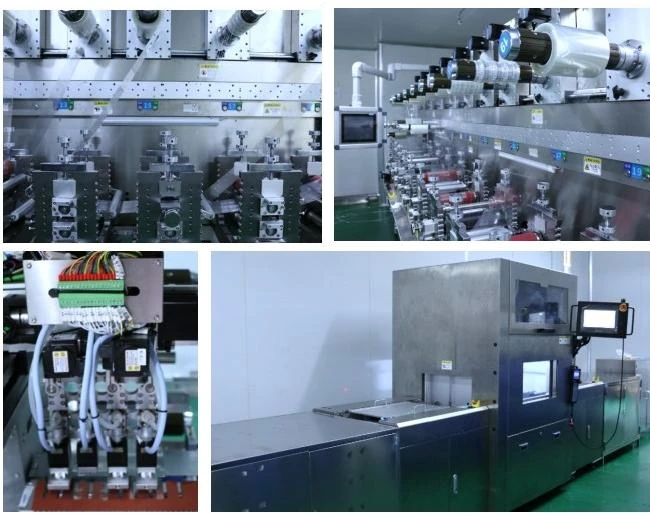
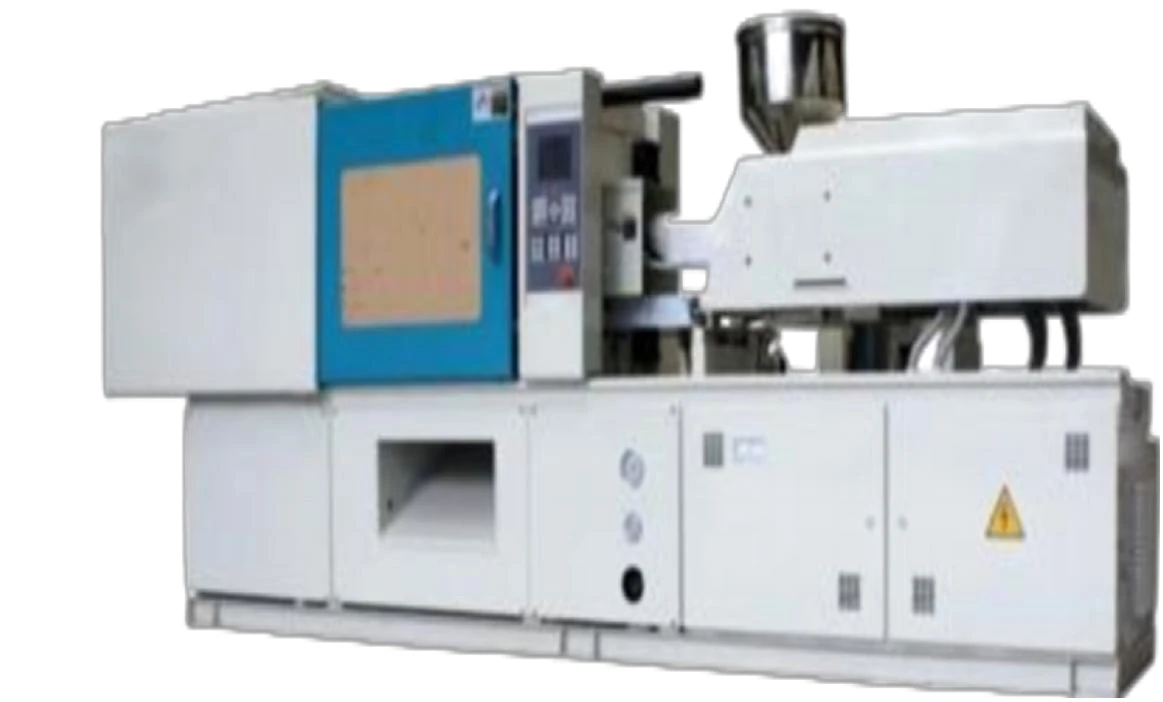
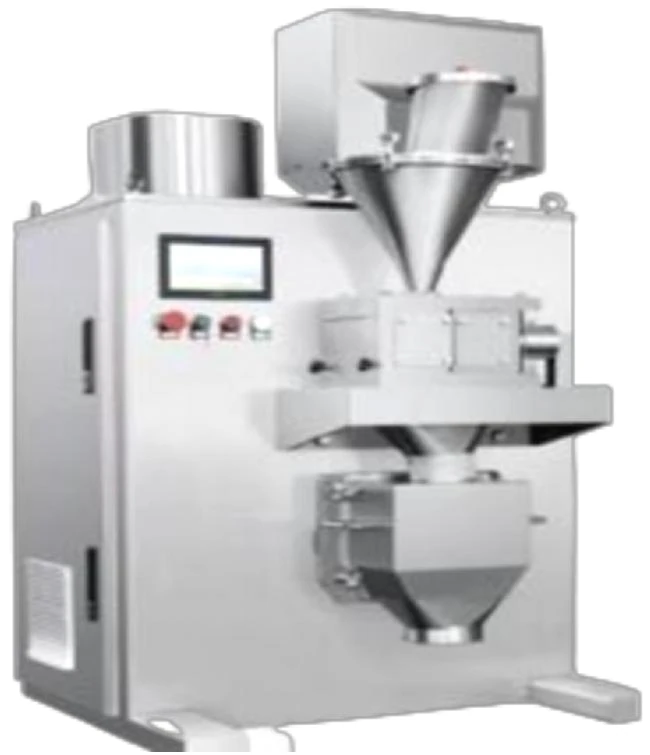
- Dissolving: HA and other water-soluble matrices; formulation design and controlled forming.
- Solid PLA: molded microneedle sheets, delivery tools and component geometries.
Characterization and performance-evaluation topics
- Contour imaging
- Automated axial positioning
- Mechanical characterization
- Confocal microscopy
- Composition and loading
- Permeation and dissolution
- Antibacterial evaluation
- In vivo evaluation
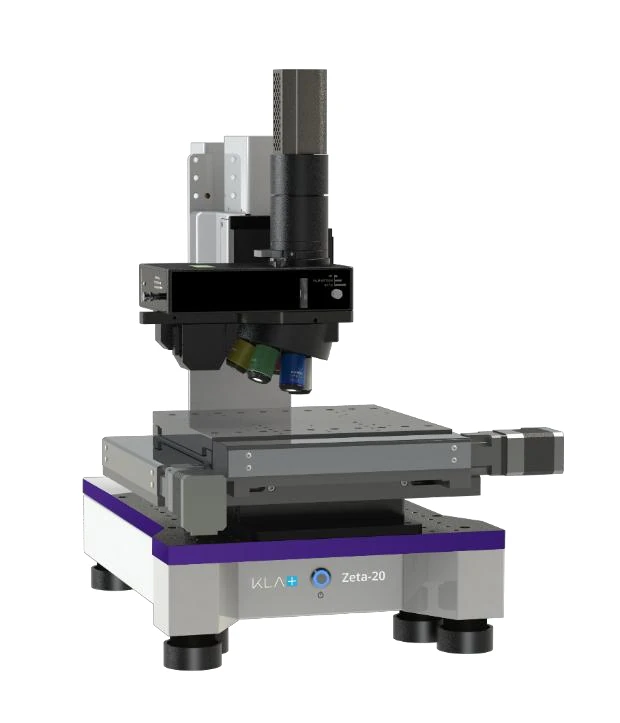
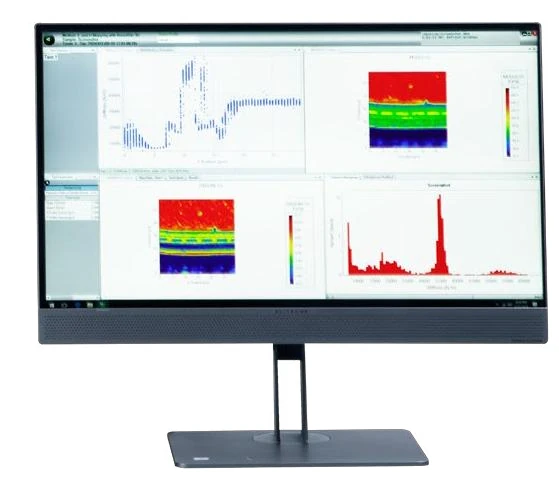
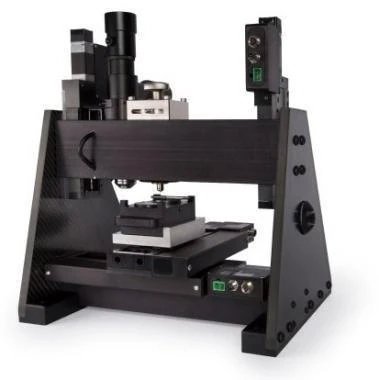
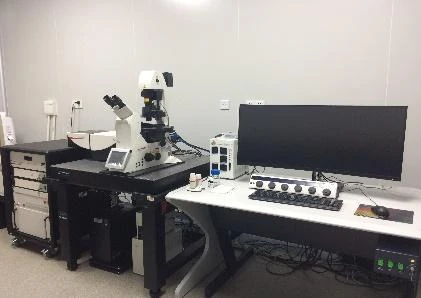
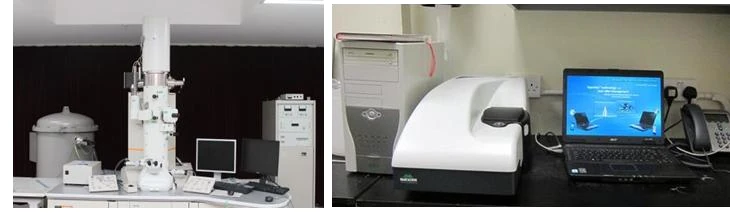
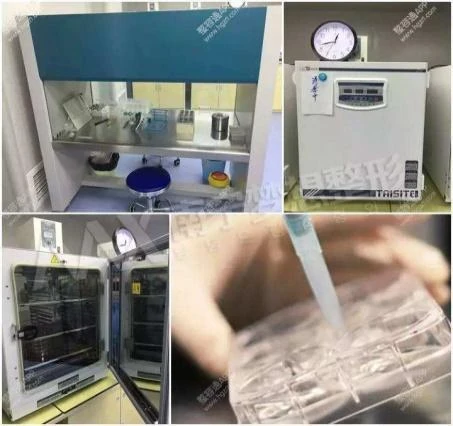
Portfolio specifications updated October 15, 2026 · HYTANBIO product portfolio, pages 3, 4. Final configuration and evidence requirements are agreed per project.
PROCESS FOOTAGE
Microneedle patch forming and handling
This edited footage shows equipment operation, a moving patch sheet and manual handling. It helps buyers see the types of process steps to discuss in an OEM brief; it does not establish a particular facility qualification, production capacity or finished-product result. Confirm the applicable equipment, process scope and quality records for the specific project.
Direct answer for buyers
What capability evidence should a peptide microneedle patch buyer verify?
Verify evidence that connects qualifications to the exact project rather than relying on logos alone. A useful review covers business and facility records, relevant quality systems, raw-material traceability, controlled production areas, in-process array inspection, packaging controls, batch documentation and the ability to plan stability and analytical work. Certificates should be checked for legal entity, issuing body, scope and validity; they do not automatically prove that every proposed product is approved or produced under pharmaceutical GMP. For dissolving arrays, buyers should also ask how incomplete tips, mass variation, residual moisture, seal integrity and storage conditions are controlled. The page’s qualification image is supporting evidence, while project-specific specifications and records remain essential. A useful next step is a written, non-confidential brief that records the target, assumptions, open questions, proposed evidence and decision criteria before any commercial commitment.
Key parameters
- Certificate holder, scope, issuer, certificate number and validity.
- Incoming material qualification, COA review and lot traceability.
- Array inspection, patch mass, critical dimensions and defect handling.
- Primary pouch barrier, seal control, storage condition and stability protocol.
- Batch record, specification, change control and customer quality agreement.
Questions buyers ask
Does a certificate mean every product is approved?
No. Verify the legal entity, scope and validity, then assess the product and target-market requirements separately.
What should be inspected on a dissolving array?
Typical checks include appearance, complete tips, critical dimensions, patch mass, uniformity and project-specific analytical results.
Why is packaging part of quality?
Dissolving matrices can be moisture sensitive, so barrier performance and seal integrity can affect shelf life and array quality.
Is cosmetic quality the same as pharmaceutical GMP?
No. Cosmetic and pharmaceutical quality systems have different expectations and intended-use boundaries.
Qualifications & quality documentation
Quality systems supported by documented qualification
The qualification portfolio shown includes documentation relating to quality management, food-safety controls, GMP-oriented manufacturing and inspection readiness. The issuing body, current validity, scope and relevance of each document are confirmed during qualification for the specific peptide microneedle patch project.
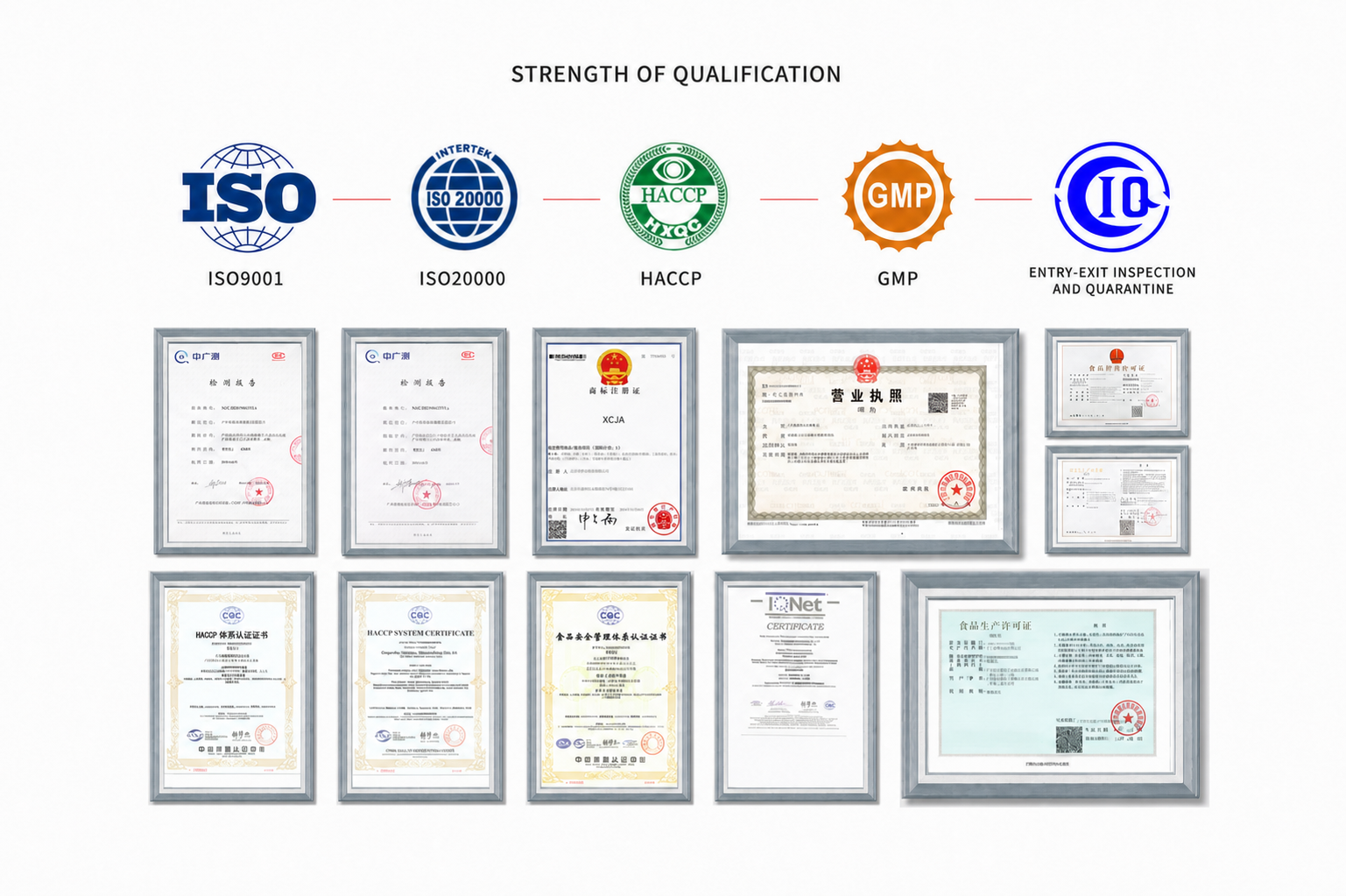
Qualification framework
What to evaluate in a peptide microneedle project
Raw-material qualification
Cosmetic-grade peptide identity, supplier documentation, storage requirements and lot traceability.
Formula and process fit
Compatibility, pH, moisture exposure, thermal history and the intended activity or stability evaluation.
Precision array control
Visual integrity, needle geometry, patch consistency, handling and dissolution-related acceptance criteria.
Drying and moisture control
Process conditions and water activity are considered against formula sensitivity and commercial storage needs.
Packaging compatibility
Barrier pouch, desiccant strategy where appropriate, seal integrity and secondary packaging interaction.
Evidence package
Available quality, manufacturing and test documentation should be confirmed during project qualification; certificates are never implied without supporting records.